Marketing Design Case Study
This marketing design case study highlights a comprehensive creative solution tailored for startups and app companies striving to build strong, visually engaging brand experiences. The project showcases the entire design process from concept to execution, demonstrating a strategic approach that balances innovation, user-centric thinking, and brand storytelling.
Project Overview
The primary objective was to develop marketing visuals that stand out in saturated markets while delivering clear, impactful messaging. Through research, visual exploration, and thoughtful design, the result was a unified brand narrative that communicates value, builds trust, and drives engagement.
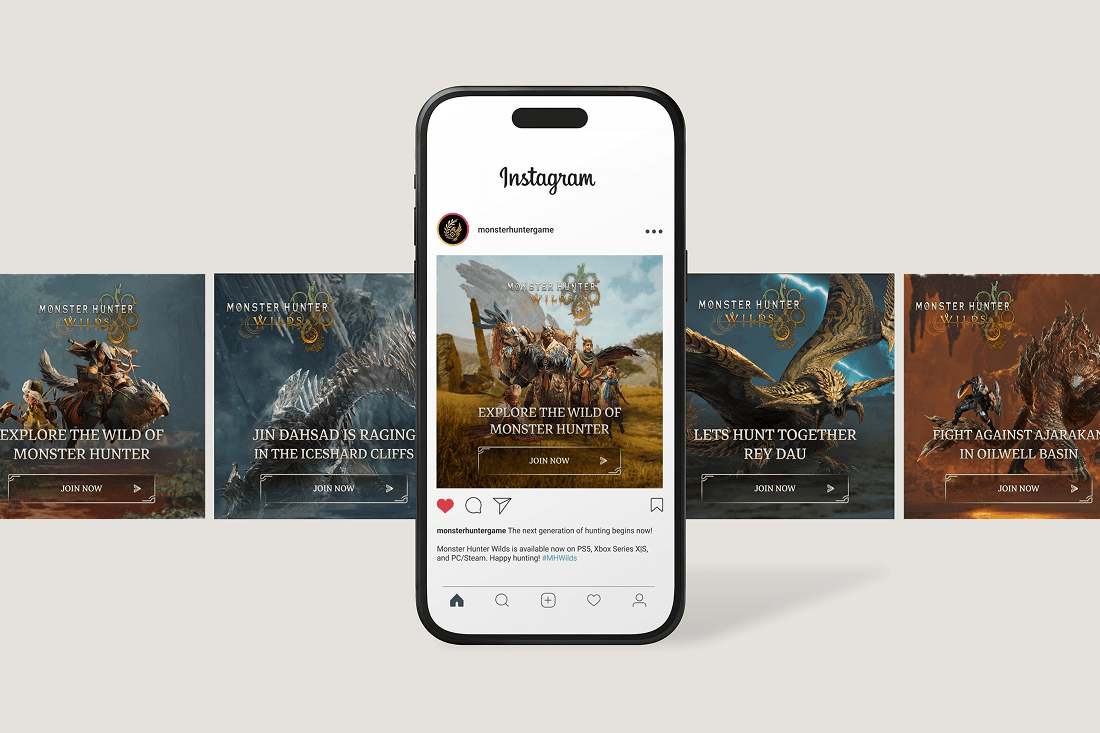
From dynamic advertising banners and promotional visuals to polished social media content, this project reflects a deep understanding of both user behavior and marketing goals. Every element was designed not just to look appealing, but to perform effectively across various digital platforms.
Approach & Strategy
Vision and Innovation
The project began with a vision of combining bold, modern aesthetics with thoughtful storytelling. It was critical to understand the nuances of the client's industry and audience. The goal was to avoid generic visual solutions and instead create designs that spark curiosity and leave a memorable impression. This vision was executed through vibrant color schemes, sharp typography, and strategic use of white space highlighting the client's identity while remaining flexible across platforms.
Identifying Unique Challenges
One of the major challenges involved translating complex information into simple, engaging content especially within the mobile application market, where users expect clarity and ease of use. The approach focused on content hierarchy, iconography, and micro-interactions that would guide user attention without overwhelming them. From the smallest button to the main hero visuals, every component was designed with clarity and consistency.
Problem Solving & User Experience
Resolving Complex Problems
A central challenge in marketing design is striking the right balance between professionalism and creativity. This project tackled that issue head on. Through iterative testing and continuous feedback loops, the design system evolved into a highly adaptive framework. Whether it was for ads, app store previews, or explainer slides, every asset was created to be flexible, on brand, and conversion focused.
User-Centered Thinking
Understanding the user journey was paramount. The design aimed to make every user interaction feel natural, smooth, and purposeful. Key focus areas included:
Visual hierarchy: Prioritizing what matters most to users at each stage of the funnel.
Ease of navigation: Creating intuitive flows within marketing materials.
Emotional connection: Using imagery and color psychology to foster trust.
Detailed Features
Modular and Scalable Design
Hero sections: High impact visuals crafted to captivate instantly, with powerful messaging supported by minimal design.
Feature Highlights: Clear, benefit driven sections that communicate the product's strengths without clutter.
Pricing Layouts: Transparent, well structured layouts that highlight value propositions and reduce friction in decision making.
Testimonials & Social Proof: Elements designed to build trust and boost credibility at a glance.
Accessibility & Optimization
Accessibility wasn’t an afterthought it was integral to the project. All assets were optimized to ensure readability, fast load times, and cross device compatibility. The design used accessible color contrast ratios, readable fonts, and tested responsive behavior to guarantee usability for a broad audience, including those with visual or motor impairments.
Outcome & Impact
This project is a testament to the value of a well planned, highly adaptable design system in modern marketing. The final deliverables helped position the client’s product as trustworthy, professional, and user-focused ultimately enhancing brand recognition and driving conversions. It serves as a clear example of how strategic creativity can solve business problems while creating beautiful, functional experiences.